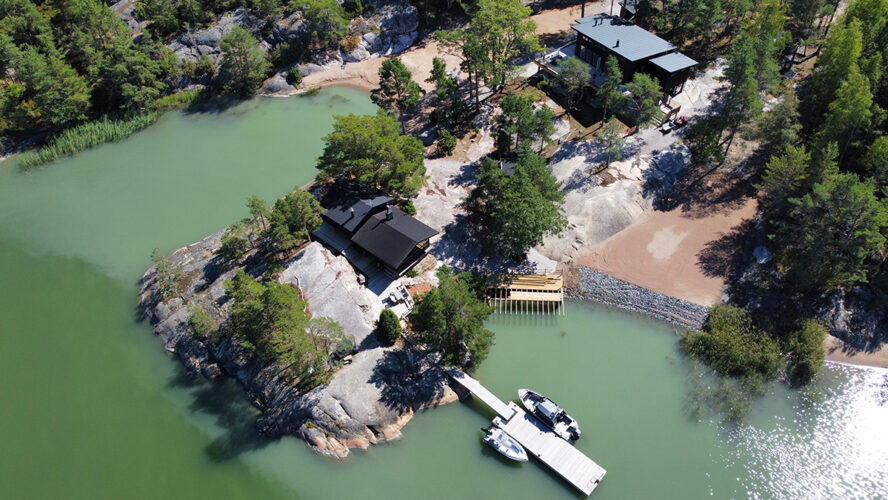

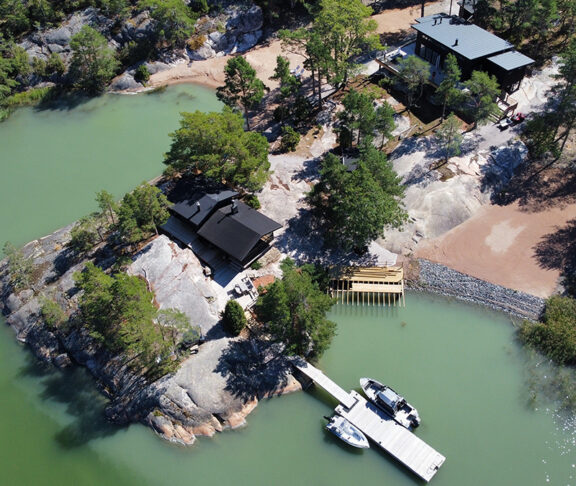
An increasing number of working-age people are able to work remotely, and many also wish to spend their retirement days at a cottage, enjoying nature. However, few are willing to give up the comforts of urban living, which means upgrading cottages with appliances such as washing machines and indoor toilets.
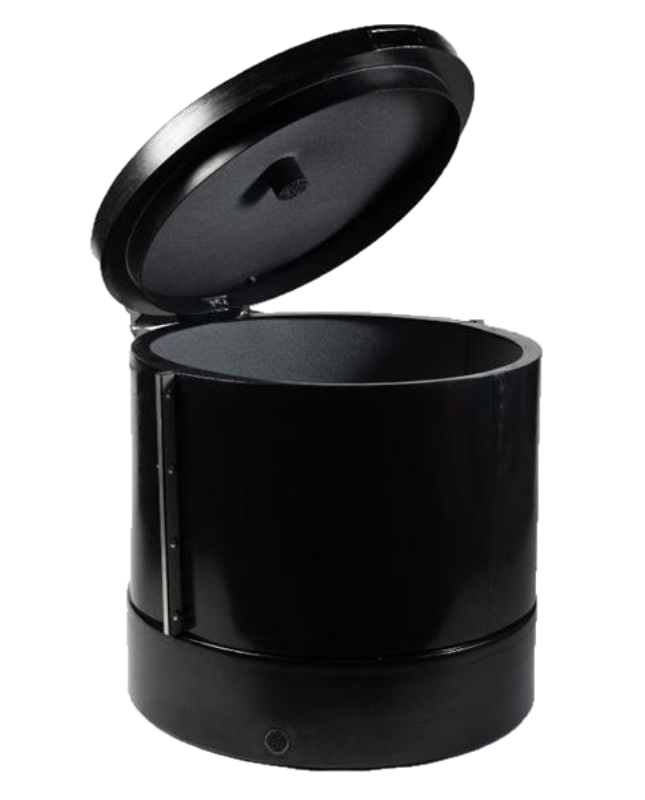
When the goal is to select equipment that places minimal environmental burden over its entire life cycle, a perspective of at least 50 years must be adopted. This corresponds to the minimum lifespan for buildings set by the new Construction Act.
– If you also want to minimize the costs of wastewater and toilet waste treatment, it is advisable to handle them on-site, says Ilkka Raita, CEO of Raita Environment.
Self-sufficient treatment reduces the carbon footprint and returns nutrients back to nature.
– Composting toilet waste and wastewater sludge is easy, odorless, and safe with our systems. Eco-Smart solutions do not require electricity, and the filter in the BioBox wastewater treatment unit only needs to be replaced every 10–15 years.
Eco-Smart solutions can reduce the carbon footprint of a holiday home by up to 60–90%
Raita Environment is a Finnish family-owned company that has been manufacturing environmental technology for three generations. Its solutions treat toilet waste and wastewater not only in Finland but also in the Nordic countries and elsewhere in Europe.
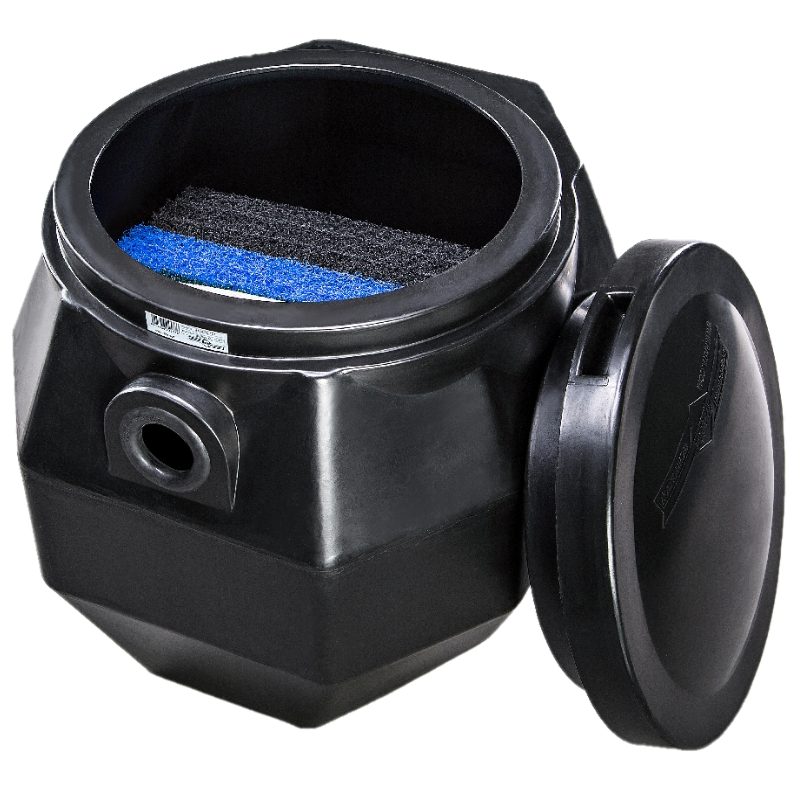
– When wastewater from a holiday home is treated on-site, it is not only cost-effective but also more environmentally friendly than collecting it by truck or boat and transporting it to centralized treatment facilities in urban areas.
This eliminates emissions associated with transportation, infrastructure, and treatment plants, which would otherwise accumulate over the building’s lifetime. As a result, Eco-Smart solutions can reduce the carbon footprint of housing by up to 60–90%.
All Raita devices are also easy to maintain and help reduce emissions. For example, the BioBox wastewater treatment system uses a cleanable plastic filter that only needs to be replaced every 10–15 years. Over a 50-year lifespan, the filter is replaced approximately three times, with no additional costs.
– The BioBox filter does not require additional filters or consumables such as moss, peat, or chemicals, meaning both operating costs and environmental impacts are minimized.
Composting returns nutrients to nature
Urine from toilet waste is the largest contributor to water pollution, as it contains 80–90% of the nitrogen and phosphorus in household wastewater. While urine can be collected and used as liquid fertilizer, this is often considered impractical due to the large volumes produced. Therefore, it is preferable to evaporate urine during composting in a dry toilet.
– When large volumes of urine are not directed into wastewater, wastewater treatment becomes easier. What remains are greywaters from showers and washing machines.
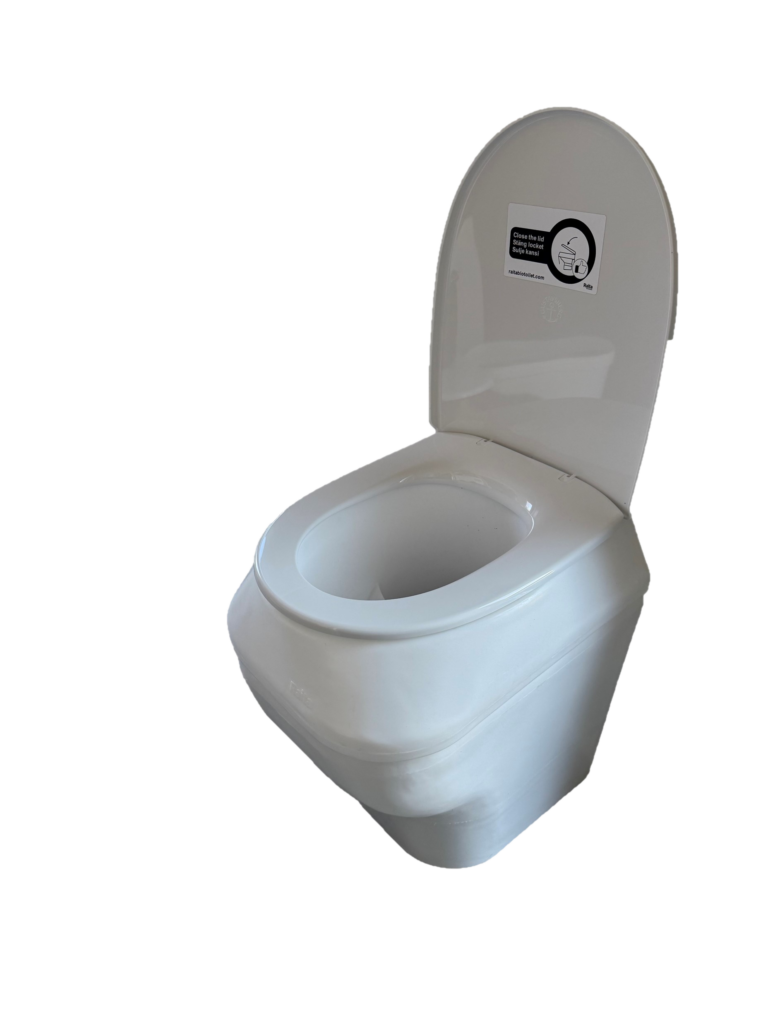
The small amount of sludge from greywater is utilized through composting, just like toilet waste.
– Dry toilets provide good ventilation and liquid handling through evaporation. There are no odors.
In trolley composting systems, there are two containers, and the filled one undergoes secondary composting in the trolley. When the trolley is replaced, the composted material can be emptied directly onto fertilization sites.
Models are available both for upgrading traditional outdoor pit toilets and for installation inside residential buildings.
– In addition to an outdoor toilet, many people also want an indoor dry toilet, which is more comfortable to use at night and in cold weather. The Mini Bio Toilet is suitable for this purpose and is emptied into a composter after approximately 60 uses.
Would you like odorless, easy-to-maintain eco-solutions for your cottage while also reducing your carbon emissions?
– Call us, and we will provide a free assessment of the most suitable solution for you.
Read more about our solutions on our website!
Or book a free remote consultation: 0400 912 111
